Midnite Sportsbook 2026: Is It Really One of the Strongest New Brands for Live Betting and Rewards?

Midnite has moved from a niche esports bookmaker into a broader sports betting operator that is actively targeting live betting audiences. By 2026, its positioning is clearer: fast in-play markets, simplified UX, and a rewards system designed around frequent activity rather than large one-off deposits. This review looks at how those elements actually perform in practice, and whether Midnite deserves to be considered among the more competitive emerging brands.
Live Betting Experience: Speed, Coverage, and Market Depth
Live betting is where Midnite places most of its strategic focus. The interface is built around rapid updates, with odds refreshing quickly and minimal delay between market movements and user visibility. In high-liquidity events such as Premier League football or major tennis tournaments, the odds feed tends to remain stable, avoiding the excessive suspensions that frustrate regular in-play bettors.
Market depth is competitive but not exhaustive. For major sports, users will find standard markets like next goal, total points, and player-based props. However, compared with long-established bookmakers, the range is still slightly narrower, especially in lower-tier leagues. That said, the available markets are curated to prioritise speed and usability rather than overwhelming volume.
Another practical advantage is the bet placement flow. The process is streamlined to reduce friction: fewer confirmation steps and a clear bet slip layout. This matters in live environments where timing directly affects value. Midnite’s approach suggests a deliberate focus on usability rather than complexity.
Where Midnite Performs Well in Real-Time Betting
Consistency during peak events is one of the stronger aspects. During high-traffic matches, the system maintains responsiveness, which is critical for users placing multiple bets in short timeframes. This stability indicates that backend infrastructure has improved compared to earlier years.
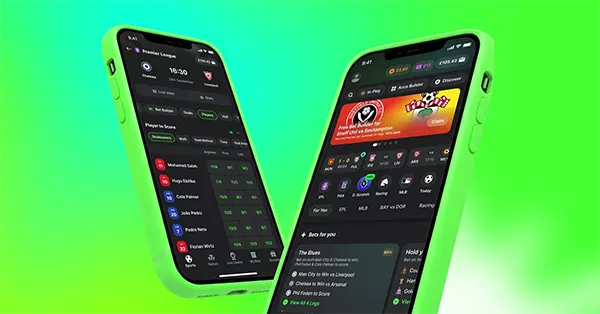
The visual layout also supports quick decision-making. Key statistics, live scores, and timelines are integrated directly into the betting view. While not as data-heavy as specialist analytics tools, the information is sufficient for most recreational and semi-serious bettors.
However, limitations remain in niche sports. Coverage for less popular leagues or disciplines can be inconsistent, which may affect users looking for broader diversification in their betting strategies.
Rewards System: Structure, Transparency, and Real Value
Midnite’s rewards system in 2026 is built around activity rather than traditional deposit bonuses. Instead of large headline offers with complex wagering requirements, the focus is on ongoing incentives such as bet streaks, cashback elements, and personalised offers.
Transparency is one of the more notable improvements. Terms are generally straightforward, with fewer hidden conditions compared to industry averages. This aligns with broader regulatory pressure across the UK and Europe, where clearer bonus structures are increasingly expected.
In terms of value, the system is more beneficial for consistent users than occasional bettors. Frequent activity unlocks incremental benefits, which can accumulate over time. This makes the model closer to a loyalty programme than a one-time promotional push.
Practical Impact of Rewards for Regular Users
For users placing bets several times per week, the rewards system can provide measurable returns. Cashback features, in particular, help offset variance during losing periods, which is relevant for bankroll management.
Personalisation is another factor. Offers are increasingly tailored based on betting behaviour, which can improve relevance. However, this also means that value varies significantly between users, making it harder to generalise the overall benefit.
One limitation is the absence of very high-value promotions for new users. While this reduces complexity, it may make Midnite less attractive for those specifically seeking large sign-up bonuses.
Brand Positioning in 2026: Strengths and Competitive Gaps
By 2026, Midnite positions itself as a modern bookmaker focused on usability and live engagement rather than legacy breadth. This approach differentiates it from traditional operators that prioritise extensive market coverage over interface efficiency.
The brand also benefits from its origins in esports, where fast-paced betting environments are standard. This experience translates well into live sports betting, particularly for younger audiences familiar with rapid decision-making formats.
However, competition remains strong. Established bookmakers still dominate in terms of market depth, pricing consistency, and global coverage. Midnite’s advantage lies more in user experience than in raw betting volume or odds competitiveness.
Is Midnite Among the Strongest New Betting Brands?
Midnite can reasonably be considered one of the more relevant newer entrants, particularly for live betting. Its focus on speed, clarity, and simplified rewards aligns with current user expectations in regulated markets.
That said, it is not yet a complete replacement for larger operators. Users who require extensive market options or niche betting opportunities may still rely on multiple bookmakers.
Overall, Midnite’s strength lies in its focused approach. Rather than trying to compete across every segment, it targets specific user needs effectively, which is often a more sustainable strategy in a competitive environment. :contentReference[oaicite:0]{index=0}