
Betano bookmaker: how a multi-product model (sports betting + casino) works in 2026

By 2026, major betting brands have moved far beyond the idea of a simple sportsbook. Betano is a clear example of how a multi-product ecosystem operates, combining sports betting, online casino, live games, and personalised digital tools into one integrated user environment. This model is not just about offering more options — it is about how these products interact, how data flows between them, and how user behaviour is analysed to improve retention, engagement, and overall experience.
How the multi-product structure is built inside Betano
The core of Betano’s model lies in a unified account system. A user registers once and gains access to all available products: pre-match betting, live betting, slots, table games, and live dealer experiences. The balance is shared across all sections, which removes friction and encourages users to switch between activities without additional steps.
From a technical perspective, this integration is supported by centralised backend architecture. Betting engines and casino game providers operate through APIs, allowing real-time synchronisation of user data, transaction history, and behavioural metrics. This ensures that actions in one section — for example, placing a sports bet — can influence recommendations in another, such as suggesting relevant casino games.
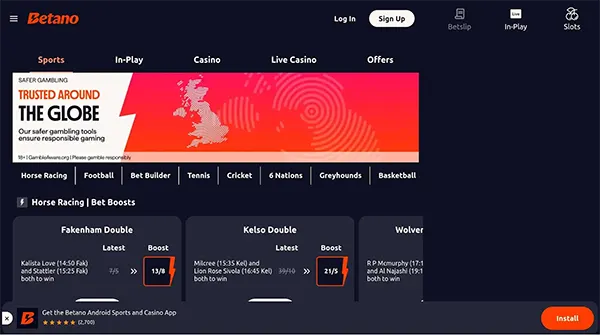
Another key element is cross-navigation. The interface is designed so that users can move between sportsbook and casino with minimal effort. In 2026, this is often supported by AI-driven UI adjustments, where the homepage adapts depending on user preferences, session history, and time of activity.
Why integration improves user retention and engagement
One of the main advantages of a multi-product model is extended session time. When users are not limited to a single type of activity, they are more likely to remain active within the same environment. For example, after placing a bet on a football match, a user may switch to slots while waiting for the result.
This behaviour is reinforced by shared promotional mechanics. Bonuses, free spins, and cashback offers are often structured in a way that encourages movement between products. A sports bettor might receive casino-related rewards, while casino players are introduced to betting markets through risk-free bets.
Data analytics plays a crucial role here. Betano uses behavioural tracking to identify patterns — such as preferred sports, betting frequency, or game volatility preferences — and uses this information to personalise offers. This increases relevance and reduces the likelihood of user churn.
Technology and data: the foundation of the 2026 model
In 2026, the success of multi-product bookmakers is largely determined by their technological infrastructure. Betano relies on cloud-based systems that allow scalable performance during peak traffic events, such as major football tournaments or live casino sessions with high demand.
Real-time data processing is another essential component. Odds updates, live betting markets, and casino game results must be synchronised instantly. Any delay can affect user trust and operational efficiency. To address this, companies implement low-latency data pipelines and distributed server networks.
Security also remains a priority. Multi-product environments involve higher transaction volumes and more complex user journeys. Betano applies multi-layered protection systems, including encryption, fraud detection algorithms, and identity verification procedures, ensuring compliance with European regulatory standards.
Personalisation and AI-driven recommendations
Artificial intelligence is deeply embedded in how Betano operates in 2026. Recommendation engines analyse user activity across both sportsbook and casino sections, identifying patterns that are not always visible through traditional analytics.
For example, a user who frequently bets on high-risk accumulators may be shown high-volatility slot games. Conversely, someone who prefers low-risk betting markets might receive suggestions for classic table games with predictable outcomes. This alignment increases the likelihood of continued engagement.
AI is also used to optimise timing. Notifications, promotions, and interface elements are adjusted based on when users are most active. This creates a more responsive environment where the system adapts to behaviour rather than forcing users into predefined pathways.
Regulation, responsible gambling, and transparency
Operating a multi-product model in 2026 requires strict adherence to regulatory frameworks. Betano, like other major operators, must comply with licensing authorities that oversee both betting and casino activities. This includes transparency in odds, clear bonus terms, and fair game certification.
Responsible gambling tools are integrated across all sections. Users can set deposit limits, session time restrictions, and loss caps that apply to both sportsbook and casino. This unified approach prevents gaps where users might bypass restrictions by switching between products.
Another important aspect is data transparency. Users have access to detailed activity logs, including bets placed, game sessions, and financial transactions. This level of visibility helps build trust and aligns with modern regulatory expectations.
How multi-product systems address risk and user protection
Combining multiple gambling formats increases potential risk, which is why operators implement advanced monitoring systems. Betano uses behavioural analysis to detect signs of problematic activity, such as rapid increases in spending or extended continuous sessions.
When such patterns are identified, the system may trigger automated interventions. These can include reminders, temporary restrictions, or prompts encouraging users to review their limits. In some jurisdictions, operators are required to escalate these measures further.
Education also plays a role. Informational sections explain how odds work, how RTP is calculated in casino games, and what risks are associated with different types of betting. Providing clear, factual information helps users make more informed decisions and reduces misunderstandings.